Paid Advertising (Social Ads): A Complete Guide to Growing Your Brand
In today’s digital-first world, simply having a presence on social media is not enough. With billions of users scrolling through platforms like Facebook, Instagram, LinkedIn, TikTok, and Twitter (X), brands face intense competition for attention. Organic reach is shrinking, algorithms are becoming smarter, and consumers are exposed to hundreds of marketing messages every single day. In this crowded environment, businesses need a way to cut through the noise and reach their ideal customers directly. This is where paid advertising, often referred to as social ads, comes into play.
Social ads have quickly become one of the most effective digital marketing strategies for businesses of all sizes. Whether you’re a small local store trying to attract nearby customers or a global e-commerce brand targeting multiple countries, paid advertising on social media platforms offers unmatched precision, scalability, and measurable results.
In this blog, we’ll dive deep into what paid advertising is, why it matters, how it works, the types of social ads available, best practices for running campaigns, challenges to watch out for, and the future of paid advertising.
What is Paid Advertising (Social Ads)?
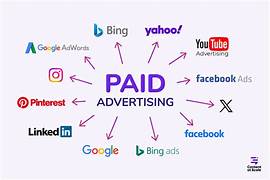
Paid advertising on social media refers to running targeted, paid campaigns on platforms like Facebook, Instagram, YouTube, LinkedIn, Pinterest, Snapchat, or TikTok. Unlike organic posts that rely on follower engagement and algorithm visibility, paid ads allow businesses to “pay to play,” meaning they can guarantee visibility in front of specific audiences.
For example:
-
A clothing brand might run Instagram Story ads to showcase its latest collection.
-
A SaaS company might run LinkedIn lead generation ads to attract decision-makers.
-
A restaurant might run Facebook ads targeting people within a 5-mile radius.
These ads can take many formats—images, videos, carousels, stories, or sponsored content—and are delivered to users based on demographic filters, interests, behaviors, and online activity.
Why Paid Advertising Matters in 2025
Organic reach on most social platforms is declining. According to recent studies, the average organic reach for a Facebook Page post is less than 5%. That means even if you have 10,000 followers, only about 500 might see your content organically. For businesses wanting consistent visibility, depending only on organic reach is no longer sustainable.
Here are some key reasons why paid social ads matter today:
-
Precise Targeting: Platforms allow you to target by age, gender, location, interests, online behavior, job title, and even income level.
-
Scalability: Start with a small budget, analyze results, and scale up for maximum ROI.
-
Instant Visibility: Unlike SEO or content marketing that takes months to show results, social ads bring quick visibility.
-
Better Tracking: Businesses can measure clicks, conversions, impressions, and sales in real time.
-
Competitive Advantage: Many competitors are already using social ads. Without them, you risk losing market share.
Types of Social Ads
Social advertising isn’t a one-size-fits-all approach. Each platform offers unique ad formats designed to match user behavior. Let’s explore the most popular types:
1. Facebook Ads
Facebook remains the king of social ads with its massive audience base. Businesses can run campaigns for brand awareness, traffic, conversions, or lead generation. Formats include carousel ads, video ads, story ads, messenger ads, and collection ads.
2. Instagram Ads
Highly visual, Instagram is perfect for lifestyle and product-based businesses. Ads can appear in the feed, reels, or stories. Influencer collaborations combined with paid promotions often deliver excellent ROI.
3. LinkedIn Ads
Best suited for B2B marketing, LinkedIn ads allow precise targeting by job role, industry, skills, and company size. Popular formats include sponsored content, text ads, video ads, and InMail campaigns.
4. Twitter (X) Ads
Twitter is excellent for real-time engagement. Promoted tweets, follower campaigns, and video ads are common for brands wanting to join trending conversations or launch new products.
5. YouTube Ads
As the second-largest search engine after Google, YouTube offers massive reach. Businesses use skippable and non-skippable video ads, bumper ads, and display overlays to capture attention.
6. TikTok Ads
TikTok’s short-form videos are especially powerful for Gen Z audiences. Ad formats include in-feed ads, branded hashtags, and TopView ads (the first video users see when opening the app).
7. Pinterest Ads
Great for lifestyle, design, food, and fashion niches. Promoted pins allow brands to insert themselves into the discovery journey of users.
8. Snapchat Ads
Popular with younger audiences, Snapchat offers AR-based ads, story ads, and collection ads for immersive experiences.
How Paid Advertising Works
The mechanics of social ads are fairly straightforward, though success depends on strategy:
-
Set Objectives: Decide if your goal is brand awareness, lead generation, sales, app installs, or engagement.
-
Audience Targeting: Define who you want to reach using demographics, location, interests, and behaviors.
-
Ad Creative: Design engaging visuals or videos paired with compelling copy.
-
Bidding & Budgeting: Most platforms use auction-based models. You decide your budget and bid for impressions, clicks, or conversions.
-
Ad Placement: Choose where ads appear—feed, stories, search results, etc.
-
Performance Tracking: Monitor metrics like CPC (Cost Per Click), CPM (Cost Per Thousand Impressions), CTR (Click-Through Rate), and ROAS (Return on Ad Spend).
Benefits of Paid Social Ads
-
Brand Visibility: Instantly put your brand in front of thousands of people.
-
Lead Generation: Capture emails and contact info directly through forms.
-
Sales Growth: Drive customers directly to product pages.
-
Remarketing: Re-engage past website visitors or cart abandoners.
-
Audience Insights: Learn more about customer behavior and preferences.
Challenges of Paid Advertising
While powerful, social ads come with challenges that businesses must navigate:
-
Ad Fatigue: If users see the same ad repeatedly, they ignore it.
-
Rising Costs: Competition on platforms can drive up CPC and CPM.
-
Privacy Concerns: With data privacy laws (like GDPR), targeting is becoming more restricted.
-
Creative Dependency: Ads need fresh, engaging content to perform well.
-
Learning Curve: Setting up campaigns without expertise can lead to wasted budgets.
Best Practices for Successful Social Ads
To maximize ROI, brands should follow these best practices:
-
Know Your Audience: Use analytics and customer research to target the right people.
-
Use Strong Visuals: High-quality images and videos outperform plain text.
-
A/B Test Ads: Test different versions of creatives, headlines, and CTAs.
-
Leverage Retargeting: Show ads to people who visited your site but didn’t convert.
-
Keep Messaging Clear: Ads should have one main message and a strong CTA.
-
Optimize for Mobile: Most users browse on smartphones. Ensure ads are mobile-friendly.
-
Track and Adjust: Use performance data to refine campaigns continuously.
Future of Paid Advertising
The future of social ads is evolving rapidly. Here are some trends shaping the industry:
-
AI-Powered Targeting: Platforms are using machine learning to predict user preferences.
-
AR & VR Ads: Immersive experiences will become mainstream.
-
Shoppable Ads: Platforms like Instagram and TikTok are integrating direct shopping features.
-
Voice & Audio Ads: As voice assistants grow, audio-based ads may increase.
-
Privacy-First Marketing: With cookie restrictions, first-party data collection will be essential.
Conclusion
Paid advertising (social ads) is no longer optional—it’s essential for businesses that want to thrive in the digital space. With precise targeting, measurable results, and scalable campaigns, social ads provide a powerful way to reach and engage potential customers. However, success requires more than just boosting posts—it demands strategy, creativity, and constant optimization.
In an age where attention is the most valuable currency, social ads give businesses the tools to cut through the noise and build lasting customer relationships. Brands that learn to master paid advertising today will be the ones leading their industries tomorrow.


