What Can All AI Do

What All Can AI Do? A Deep Dive Into the Possibilities

Artificial Intelligence, or AI, has become one of the most fascinating and transformative technologies of our time. From smartphones to self-driving cars, from chatbots to advanced medical systems, AI is shaping the way we live, work, and interact with the world. It is no longer just a subject of science fiction; it is something we are already using every single day, often without even realizing it.

But the big question is: What all can AI do?

The answer is not simple, because AI is incredibly vast and its applications are expanding almost daily. To understand the potential of AI, we need to look at the different areas of life and business where it plays a role, what it can already achieve, and what might be possible in the near future.

Understanding AI in Simple Words

Before diving into applications, let’s put AI into simple terms. At its core, Artificial Intelligence is the ability of a machine or system to mimic human intelligence. This can include learning from data, recognizing patterns, solving problems, making decisions, and even adapting to new situations.

Think of AI as teaching computers not just to follow rules, but to think in their own way—at least in a limited scope. While human intelligence is broad, flexible, and emotional, AI focuses on specific tasks with great speed and accuracy.

Everyday Things AI Can Do

Most people imagine robots or sci-fi movies when they think of AI, but the truth is that we are already surrounded by it. Here are some simple, everyday examples:

  1. Virtual Assistants: Siri, Alexa, and Google Assistant can answer questions, set reminders, or even control your smart home devices.

  2. Social Media: Platforms like Instagram, YouTube, and Facebook use AI to recommend content, detect fake accounts, and filter inappropriate posts.

  3. Online Shopping: Have you ever noticed product recommendations on Amazon? That’s AI studying your behavior and predicting what you might want to buy.

  4. Maps and Navigation: Google Maps and Uber use AI to suggest the fastest routes, predict traffic, and even estimate arrival times.

  5. Spam Filters: Your email inbox uses AI to separate spam messages from important ones.

So, without realizing, we already rely on AI dozens of times each day.

What AI Can Do in Business

Businesses have perhaps gained the most from AI so far. It allows them to cut costs, improve customer experiences, and make smarter decisions.

  • Customer Service: Many companies now use AI-powered chatbots to answer customer queries instantly, 24/7.

  • Marketing: AI helps marketers understand customer behavior, create personalized campaigns, and predict trends.

  • Finance: Banks use AI for fraud detection, risk assessment, and even offering personalized financial advice.

  • Retail: Stores use AI to manage inventory, forecast demand, and enhance customer shopping experiences.

  • Human Resources: Companies use AI tools for screening resumes, scheduling interviews, and even analyzing employee satisfaction.

In short, AI is becoming the invisible partner that keeps businesses running smoothly.

AI in Healthcare

One of the most exciting areas where AI is making a difference is healthcare. Here’s what it can do:

  • Medical Imaging: AI systems can analyze X-rays, MRIs, and CT scans with impressive accuracy, often spotting issues faster than human doctors.

  • Drug Discovery: Finding new medicines can take years, but AI is speeding up the process by analyzing massive datasets and predicting which compounds will work.

  • Virtual Health Assistants: Patients can talk to AI-powered apps that provide health advice, remind them to take medicine, or even monitor their conditions.

  • Personalized Treatment: AI can study a patient’s medical history and genetics to suggest the most effective treatment plan.

In the future, AI might become a true partner for doctors, helping them make faster, more accurate decisions.

AI in Education

The education sector is also being transformed by AI. Some ways include:

  • Personalized Learning: AI can adjust lessons based on a student’s strengths and weaknesses.

  • Grading and Evaluation: Teachers can save time as AI handles grading of tests and assignments.

  • Language Translation: AI-powered tools help students break language barriers, making global learning more accessible.

  • Tutoring Systems: Students can access AI-based apps that provide 24/7 tutoring support.

This allows education to become more flexible, tailored, and inclusive.

AI in Transportation

Self-driving cars are probably the most famous example of AI in transportation. But there’s more:

  • Traffic Prediction: AI can predict congestion and optimize traffic signals.

  • Public Transport: AI systems help in scheduling buses and trains to reduce waiting times.

  • Air Travel: Airlines use AI for flight scheduling, maintenance checks, and customer service chatbots.

  • Logistics: Companies like FedEx and DHL use AI to plan the most efficient delivery routes.

If perfected, AI-driven vehicles might one day reduce accidents, lower fuel use, and make transportation much smoother.

AI in Entertainment

Entertainment is another area where AI plays a huge role.

  • Music Recommendations: Spotify uses AI to suggest songs you’ll love.

  • Movies and TV: Netflix recommends shows based on your viewing history.

  • Video Games: AI makes non-player characters smarter, creating more realistic experiences.

  • Content Creation: Some tools use AI to create music, art, and even write scripts.

This raises an interesting question: will AI ever replace human creativity? Probably not entirely, but it can be a strong support tool.

AI in Security

With the increase in cybercrime and physical threats, AI has become a major player in security.

  • Cybersecurity: AI systems detect unusual online activity to prevent hacking or fraud.

  • Surveillance: Facial recognition technology is used in airports and cities for safety.

  • Identity Verification: Many apps now use AI-powered biometric authentication like fingerprint and face scans.

While this is powerful, it also raises debates about privacy and ethics.

What AI Cannot Do (Yet)

As much as AI is powerful, it still has limitations.

  1. Emotional Intelligence: AI cannot truly feel emotions. It can simulate empathy, but it does not understand it like humans.

  2. Common Sense: AI struggles with everyday reasoning that humans find obvious.

  3. Creativity: While AI can generate art, stories, or music, true creative originality still belongs to humans.

  4. Ethics and Morality: Machines cannot judge what is right or wrong without human guidance.

So, while AI can perform amazing tasks, it still needs human supervision and judgment.

The Future of AI – What More Can It Do?

The future potential of AI is both exciting and a little scary. Here are some possibilities:

  • Space Exploration: AI-powered robots could explore planets and moons where humans cannot go.

  • Climate Change: AI can analyze data to predict climate patterns, help manage resources, and suggest sustainable solutions.

  • Advanced Robotics: Future robots might assist in homes, take care of the elderly, or perform dangerous tasks like firefighting.

  • Smart Cities: AI could make cities safer, greener, and more efficient by managing resources and infrastructure.

  • Creative Collaboration: Instead of replacing artists, AI could act as a creative partner, sparking new forms of art and design.

The possibilities are almost endless.

Ethical Questions Around AI

Of course, with great power comes great responsibility. AI raises serious ethical concerns:

  • What happens to jobs when machines replace human workers?

  • Who is responsible if a self-driving car causes an accident?

  • How much personal data should AI systems be allowed to collect?

  • Could AI be misused for surveillance or creating harmful technologies?

These questions show that the future of AI isn’t just about technology—it’s also about humanity, laws, and values.

Conclusion

So, what all can AI do? The simple answer is: a lot more than we ever imagined. It is already helping us shop, travel, learn, heal, and stay entertained. It powers industries, strengthens security, and makes daily life more convenient. At the same time, it still cannot replace the unique human qualities of emotions, creativity, and morality.

AI is like a powerful tool—its impact depends on how wisely we use it. If guided responsibly, it can solve some of the world’s biggest challenges. If misused, it can create problems we might struggle to control.

At the end of the day, AI is not about replacing humans, but about empowering humans. It is not here to take away our intelligence but to amplify it. And that’s what makes the journey of AI truly exciting.

Can AI Replace Human Job

Can AI Replace Human Jobs? A Deep Dive into the Future of Work

Artificial Intelligence (AI) has moved from being a futuristic idea to a present-day reality. From chatbots handling customer service inquiries to robots assembling products in factories, AI has become an integral part of modern industries. Its ability to work faster, more accurately, and tirelessly has sparked a critical question:

Can AI replace human jobs?

The short answer is yes, AI can replace certain human jobs — especially repetitive and predictable ones. But the bigger truth is more complex. While AI will automate some roles, it will also create new ones, transform industries, and change how humans work.

This blog explores the debate in depth: jobs AI can replace, jobs AI cannot replace, benefits and risks, and what the future workforce might look like.

Understanding AI in the Workplace

AI refers to computer systems designed to mimic human intelligence — analyzing data, learning from it, and making decisions. In the workplace, AI is often applied in:

  • Automation – Replacing manual, repetitive tasks.

  • Data analysis – Processing huge amounts of data quickly.

  • Decision-making – Providing insights to help humans act faster.

  • Customer interaction – Through chatbots, voice assistants, and recommendation systems.

The result is a more efficient workplace — but also one where some jobs become redundant.

Jobs That AI Can Replace

AI is particularly effective in jobs that involve repetition, routine, and structured rules. Some of these include:

1. Data Entry and Clerical Work

AI-powered software can enter, process, and organize data far faster than humans.

  • Example: Automated systems that scan invoices and update financial records.

2. Customer Service Representatives

Chatbots and voice assistants can handle FAQs, order tracking, and simple problem-solving.

  • Example: E-commerce websites using AI chatbots to resolve customer queries instantly.

3. Manufacturing and Assembly Line Jobs

Robots already dominate factories, assembling cars, packaging products, and performing repetitive tasks.

  • Example: Tesla’s factories using AI-driven robots in production lines.

4. Transportation and Delivery

Self-driving vehicles and drones are slowly reducing the need for human drivers.

  • Example: Companies like Waymo and Amazon testing autonomous delivery.

5. Retail Cashiers

Self-checkout machines and AI payment systems reduce the need for cashiers.

  • Example: Amazon Go stores where customers shop without checkout lines.

6. Basic Financial and Legal Roles

AI can review contracts, scan documents, and detect fraud faster than junior clerks or assistants.

  • Example: AI software in law firms reviewing thousands of legal documents in minutes.

7. Media and Content Creation (Basic)

AI tools can write reports, generate product descriptions, and produce news summaries.

  • Example: Financial news agencies using AI to publish quick stock market updates.

Jobs That AI Cannot Replace

Despite AI’s power, there are areas where human skills remain irreplaceable. Jobs that require creativity, emotional intelligence, critical thinking, and human connection are less likely to be automated.

1. Creative Professions

Artists, writers, designers, and filmmakers rely on imagination, originality, and storytelling. AI can assist but not replace true creativity.

2. Healthcare Professionals

Doctors, nurses, and therapists use empathy, intuition, and judgment that AI cannot fully replicate. While AI helps diagnose diseases, the human touch in care is essential.

3. Educators

Teachers do more than share knowledge — they inspire, mentor, and emotionally connect with students. AI tools can support learning but not replace teachers.

4. Leadership and Strategy Roles

Business leaders, CEOs, and policymakers need vision, ethics, and decision-making that involves more than data.

5. Jobs Requiring Emotional Intelligence

Social workers, counselors, and HR professionals depend on human interaction and empathy — areas where AI falls short.

6. Skilled Trades

Jobs like electricians, plumbers, and chefs require hands-on skills, adaptability, and creativity that AI machines struggle with.

The Benefits of AI Replacing Certain Jobs

While the idea of AI replacing jobs can sound scary, it also brings many benefits:

  1. Efficiency and Speed: AI works 24/7 without breaks.

  2. Reduced Human Error: Machines deliver more accuracy in repetitive tasks.

  3. Cost Savings: Companies save on labor and increase profits.

  4. Improved Safety: Robots take over dangerous jobs in mining, construction, or manufacturing.

  5. Job Transformation: Humans can focus on higher-level, creative, and strategic tasks.

Risks and Concerns of AI Replacing Jobs

On the other hand, widespread AI adoption also raises challenges:

  1. Job Loss: Millions of workers in repetitive jobs could become unemployed.

  2. Skill Gaps: Workers may struggle to adapt to AI-driven workplaces.

  3. Inequality: Technology benefits highly skilled workers more, leaving others behind.

  4. Loss of Human Connection: Over-automation can reduce personal interactions.

  5. Ethical Issues: Decisions made purely by AI may lack fairness and empathy.

Statistics: AI and Job Replacement

Research shows the impact of AI is significant:

  • According to the World Economic Forum (WEF), AI and automation could replace 85 million jobs worldwide by 2025, but also create 97 million new ones.

  • McKinsey Global Institute predicts that by 2030, up to 30% of jobs could be automated.

  • However, most experts agree AI will transform jobs rather than eliminate all of them.

Industries Most at Risk

Some sectors are more vulnerable than others:

  • Manufacturing: Already heavily automated with robots.

  • Retail: Self-service kiosks and online shopping reduce retail staff.

  • Transportation: Truck drivers, taxi drivers, and delivery workers may see automation.

  • Banking: AI algorithms handle customer service, fraud detection, and investment advice.

Industries That Will Benefit from AI Collaboration

Other industries will see AI as an assistant rather than a replacement:

  • Healthcare: AI helps doctors but doesn’t replace them.

  • Education: AI personalizes learning but teachers guide students.

  • Creative Arts: AI assists in design, but humans provide originality.

  • Research and Science: AI speeds up analysis, but humans interpret results.

The Human-AI Collaboration Model

Instead of a future where AI replaces humans, many experts envision a world where AI collaborates with humans:

  • AI does the repetitive tasks.

  • Humans focus on creativity, decision-making, and empathy.

  • Together, they boost productivity and innovation.

For example:

  • In healthcare, AI diagnoses faster while doctors provide care.

  • In business, AI analyzes data while leaders make strategic decisions.

  • In marketing, AI creates insights while humans design campaigns.

Preparing for the AI Future

If AI is changing the job market, how can individuals prepare?

  1. Learn New Skills: Focus on creativity, problem-solving, emotional intelligence, and critical thinking.

  2. Embrace Lifelong Learning: Stay updated with technology trends.

  3. Work with AI, not against it: Use AI tools to enhance your career.

  4. Explore Emerging Fields: AI will create jobs in robotics, data science, cybersecurity, and AI ethics.

  5. Adaptability: Be open to switching industries or roles as AI reshapes work.

Real-World Examples of AI and Job Replacement

  • Journalism: AI tools like Automated Insights generate financial reports quickly. Journalists now focus on deeper analysis.

  • Banking: Many banks replaced call center staff with AI-powered chatbots.

  • Retail: Amazon’s cashier-less stores reduce human checkout jobs.

  • Manufacturing: Car factories employ more robots than humans for assembly.

These examples show AI replacing certain roles while also reshaping others.

The Ethical Question: Should AI Replace Jobs?

The debate isn’t just about whether AI can replace jobs but whether it should.

  • Should AI replace human interaction in customer service?

  • Should AI make decisions in law or healthcare where lives are at stake?

  • How much control should humans keep over AI-driven workplaces?

These ethical questions highlight the need for balance — using AI to assist, not dominate, human work.

Final Thoughts

So, can AI replace human jobs?

Yes, AI will continue to replace jobs that are repetitive, rule-based, and predictable. Millions of roles in manufacturing, retail, transportation, and clerical work are already being automated.

But at the same time, AI will create new opportunities, transform industries, and push humans toward higher-value roles that require creativity, empathy, and complex thinking. The future of work is not about AI replacing humans entirely — it’s about AI and humans working together.

For workers, the challenge is to adapt, reskill, and embrace AI rather than fear it. For companies, the responsibility is to balance automation with ethical considerations and human dignity.

In the end, AI may change how we work, but it cannot replace what makes us truly human.

How AI Help To Make Work Fast

How AI Makes Work Faster: The Future of Productivity

Artificial Intelligence (AI) has become one of the most powerful tools in the modern world. From business operations and healthcare to transportation and personal life, AI is reshaping how we perform tasks. One of its greatest advantages is speed — the ability to make work faster, smarter, and more efficient than ever before.

But how exactly does AI achieve this? Why is it considered a game-changer for productivity? And what industries are benefiting most from AI-driven speed?

In this detailed blog, we’ll explore how AI makes work faster, the technologies behind it, real-world examples, benefits, challenges, and what the future holds.

Understanding AI and Speed

AI refers to computer systems designed to simulate human intelligence. It can process large volumes of data, recognize patterns, make decisions, and even learn from experience. Unlike humans, AI systems do not get tired, distracted, or need breaks.

When we talk about AI making work faster, we mean that AI:

  • Automates repetitive tasks that usually take humans hours or days.

  • Analyzes massive datasets in seconds.

  • Provides instant insights that would take humans weeks to calculate.

  • Works 24/7 without fatigue, keeping processes continuous.

The result? Faster workflows, reduced delays, and more time for humans to focus on creativity and innovation.

How AI Makes Work Faster: Key Ways

Let’s break down the main ways AI speeds up tasks across industries.

1. Automation of Repetitive Tasks

Many jobs involve repetitive and time-consuming tasks like data entry, scheduling, or sorting files. AI-powered tools automate these processes in seconds.

  • Example: Chatbots handle customer queries instantly instead of making customers wait for human agents.

  • Impact: This frees up human employees to focus on more complex, creative, and valuable tasks.

2. Faster Data Analysis

Humans can only process a limited amount of data at a time, but AI can analyze millions of data points in seconds.

  • Example: Financial institutions use AI to analyze market data instantly to make better investment decisions.

  • Impact: Faster insights mean faster decisions and faster growth.

3. Real-Time Decision Making

AI systems can make real-time decisions based on live data.

  • Example: Self-driving cars use AI to analyze road conditions and respond immediately.

  • Impact: Reduces delays and improves efficiency in critical environments.

4. Predictive Capabilities

AI can predict outcomes and trends faster than human analysts.

  • Example: E-commerce platforms use AI to predict what customers want and recommend products instantly.

  • Impact: Saves time for customers and boosts sales for companies.

5. Enhanced Communication

AI-powered language models and translation tools make communication faster.

  • Example: Google Translate instantly converts text into over 100 languages.

  • Impact: Businesses expand globally without language barriers slowing them down.

6. Smarter Resource Management

AI optimizes schedules, supply chains, and workflows.

  • Example: Airlines use AI to schedule flights and manage crew shifts quickly.

  • Impact: Faster planning means smoother operations.

7. 24/7 Availability

AI does not need sleep or breaks.

  • Example: Online stores with AI-powered customer service operate around the clock.

  • Impact: Continuous service without delays.

AI in Different Industries: Speed in Action

1. Healthcare

  • AI analyzes X-rays and MRI scans in seconds, reducing diagnosis time.

  • Virtual health assistants provide instant medical advice to patients.

  • AI speeds up drug discovery, cutting years off research timelines.

2. Business and Marketing

  • AI quickly processes customer data to create personalized marketing campaigns.

  • Automated tools schedule emails, manage leads, and run social media campaigns instantly.

  • Data-driven insights help companies make faster business decisions.

3. Education

  • AI-driven learning platforms adapt lessons to each student’s speed.

  • Teachers save time with AI grading systems.

  • Students access instant learning help via AI tutors.

4. Transportation

  • Self-driving cars make split-second driving decisions.

  • AI predicts traffic congestion and suggests faster routes.

  • Logistics companies use AI to optimize delivery routes in real time.

5. Finance

  • AI monitors millions of transactions in seconds to detect fraud instantly.

  • Investment algorithms trade stocks at high speeds, faster than human traders.

  • Loan approvals are processed faster with AI analysis.

6. Manufacturing

  • AI-powered robots work faster than humans on assembly lines.

  • Predictive maintenance reduces downtime by fixing issues before they cause delays.

  • Production schedules are optimized for faster output.

7. Customer Service

  • Chatbots respond instantly to queries, instead of waiting in call queues.

  • AI tools analyze customer feedback quickly to improve products.

  • Companies save time resolving issues, improving customer satisfaction.

Benefits of Faster Work with AI

AI’s ability to make work faster brings several key benefits:

  1. Increased Productivity: Employees accomplish more in less time.

  2. Cost Efficiency: Faster work reduces labor and operational costs.

  3. Improved Accuracy: AI minimizes human errors while working quickly.

  4. Better Customer Experience: Customers get instant responses and solutions.

  5. Competitive Advantage: Companies that use AI deliver faster results and stay ahead.

Challenges of Relying on AI for Speed

While AI speeds up work, it also comes with challenges:

  1. Job Displacement: Automation may replace certain human roles.

  2. Bias in AI: Fast results can still be unfair if the AI is trained on biased data.

  3. High Costs: Developing and implementing AI systems requires investment.

  4. Over-Reliance: Depending too much on AI may reduce human creativity.

  5. Security Risks: Faster processes mean cyberattacks can also spread faster if AI systems are hacked.

Real-World Examples of AI Making Work Faster

  • Amazon: Uses AI-powered robots to move packages in warehouses, speeding up delivery times.

  • Netflix: Recommends movies instantly, saving users time searching.

  • Tesla: Self-driving cars use AI to process surroundings in real time.

  • Google Maps: AI analyzes live traffic and gives faster route suggestions.

  • Banks: AI chatbots resolve customer queries in seconds, reducing waiting times.

The Future: How AI Will Make Work Even Faster

AI is still evolving, and in the future, it will make work even faster by:

  • Automating more complex jobs like legal research or medical diagnosis.

  • Enhancing collaboration between humans and machines for faster innovation.

  • Developing AI-powered smart cities where transportation, energy, and services run seamlessly.

  • Using quantum AI for ultra-fast computing, solving problems in seconds that now take years.

The combination of AI and other technologies like robotics, 5G, and IoT will accelerate workflows in ways we can hardly imagine today.

How Individuals Can Use AI to Work Faster

AI is not just for big companies — individuals can also benefit:

  • Students use AI tools like ChatGPT or Grammarly to write and research faster.

  • Freelancers use AI design tools like Canva to create visuals quickly.

  • Writers use AI content generators to brainstorm ideas.

  • Professionals use AI scheduling apps to manage time better.

By adopting AI tools, individuals save time, reduce stress, and improve productivity.

Final Thoughts

Artificial Intelligence is not just about making machines smarter — it’s about making human work faster, easier, and more efficient. From healthcare and education to business and entertainment, AI is speeding up processes that once took hours, days, or even years.

Of course, challenges like job loss, ethics, and over-reliance on AI must be addressed. But the benefits are undeniable: AI is revolutionizing productivity by combining speed, accuracy, and efficiency in ways that humans alone cannot achieve.

In simple terms, AI does not replace human intelligence — it amplifies it by removing delays, reducing repetitive tasks, and providing instant insights. The future of work will be faster, smarter, and more creative, thanks to the power of Artificial Intelligence.

what is AI

What is the Meaning of Artificial Intelligence
Artificial Intelligence present of human intelligence in machines. In other words, AI is when a computer system or machine is designed to think, learn, and make decisions in a way that resembles human intelligence.

The word itself can be broken down:

Artificial created by humans not naturally occurring.

Intelligence the capability to understand, analysis , reason, and apply knowledge.

So, artificial intelligence = human-like intelligence created artificially inside machines.

AI enables machines to perform tasks that usually require human intelligence, such as:

Understanding speech and language

Recognizing images and faces

Solving problems

Learning from experience

Making decisions

For example:

Netflix uses AI to suggest movies based on your viewing history.

Banks use AI to detect fraudulent transactions.

In simple words, AI gives machines the ability to “think” and “learn” like humans, but often faster and more accurately.

A Brief History of Artificial Intelligence

To better understand the meaning of AI, it helps to know where it came from.

1950 – Alan Turing’s Vision: The famous mathematician Alan Turing introduced the concept of machines thinking like humans in his paper “Computing Machinery and Intelligence.” He also proposed the Turing Test as a way to check if a machine could exhibit human-like intelligence.

1956 – The Birth of AI: The term “Artificial Intelligence” was officially coined at a conference at Dartmouth College by John McCarthy, often called the “father of AI.”

1960s–1980s: Early AI research focused on problem-solving and symbolic reasoning, but limited computing power slowed progress.

1997: IBM’s supercomputer Deep Blue defeated world chess champion Garry Kasparov, showing AI’s real-world potential.

2010s–Present: With advances in big data, machine learning, and deep learning, AI systems became smarter and more practical. Today, AI powers almost every digital tool we use.

Types of Artificial Intelligence

When talking about the meaning of AI, it’s important to know that not all AI is the same. AI may be grouped into categories based on ability

1. Based on Capability

Narrow AI (Weak AI):

AI designed to perform a specific task.

Example: Siri, Google Search, Spotify recommendations.

maximum AI we use today is Narrow AI.

General AI (Strong AI):

AI that can think, learn, and perform tasks smartly more than human being.

It does not exist yet but is the ultimate goal of AI research.

Example: A robot that can learn new skills, adapt to new environments, and solve any problem like humans.

Super AI:

AI that surpasses human intelligence in every possible way.

This is still theoretical and part of future speculation.

2. Based on Functionality

Reactive Machines: Basic AI that reacts to specific inputs but cannot learn.

Example: IBM’s Deep Blue chess computer.

Example: Self-driving cars that learn from traffic patterns.

Self-Aware AI: The most advanced form — AI that becomes conscious of itself. Still theoretical.

Core Technologies Behind Artificial Intelligence

AI is a set of technologies
Machine learning is basics of AI
Example: Email spam filters that learn what’s spam and what’s not.

Deep Learning is a type of ML such as the human brain

Example: Facial recognition systems.


Example: Chatbots, voice assistants.

Computer Vision: Enables machines to see and interpret images or videos.

Example: Facebook’s automatic photo tagging.

Robotics: AI combined with machines to perform physical tasks.

Example: Warehouse robots used by Amazon.

Example: Medical diagnosis systems.

Applications of Artificial Intelligence

To truly understand the meaning of AI, we need to look at its real-world uses. AI has applications across almost every industry:

1. Healthcare

AI-powered tools can detect diseases such as cancer at early stages.

Robots assist doctors during surgeries.

Virtual health assistants provide patients with medical advice.

2. Education

Personalized learning apps adapt to each student’s progress.

AI helps teachers grade assignments faster.

AI use to learn multiple things
3. Business and Marketing

Companies use AI for customer service chatbots.

Targeted advertising uses AI to reach the right audience.

Predictive analytics helps businesses forecast trends.

4. Transportation

Self-driving cars are powered by AI.

AI helps airlines manage flight schedules and predict delays.

5. Banking and Finance

AI detects fraud and unusual spending patterns.

Robo-advisors help people make investment decisions.

Chatbots assist customers with banking services.

6. Entertainment

Netflix, YouTube, and Spotify recommend content using AI.

Video games use AI to create smart opponents.

7. Everyday Life

Virtual assistants like Alexa or Google Assistant.

Smart home devices that control lighting and temperature.

E-commerce sites recommending products you might like.

Advantages of Artificial Intelligence

The popularity of AI is no accident. It offers several benefits:

Efficiency: AI can process massive amounts of data much faster than humans.

Accuracy: In fields like healthcare, AI often provides more precise results.

Cost Reduction: Automating tasks reduces labor costs.

24/7 Availability: Unlike humans, AI does not need breaks or sleep.

Personalization: AI tailors services to individual users, improving customer experience.

Challenges and Concerns of Artificial Intelligence

Despite its potential, AI also raises challenges and concerns:

Job Loss: Automation may replace certain human jobs.

Bias: If AI is trained on biased data, it produces biased results.

Privacy Issues: AI systems often collect and use sensitive data.

High Cost: Developing advanced AI systems can be expensive.

Ethical Concerns: What happens if AI becomes too powerful or misused?

The Future of Artificial Intelligence

So what does the future hold for AI?

Experts knows AI will continuously to grow fast and transform industries. Some predictions include:

More advanced self-driving cars becoming mainstream.

Healthcare AI detecting and treating diseases earlier.

AI in education creating personalized classrooms.

AI-powered smart cities improving transportation, energy, and safety.

Possible development of General AI, where machines match human-level intelligence.

While there are concerns, the future of AI looks promising if developed responsibly.

Artificial Intelligence in Simple Words

If we had to summarize the meaning of artificial intelligence in one line:

Artificial Intelligence is the science and technology of making machines intelligent — able to think, learn, and act like humans, but often faster and with greater precision.

Final Thoughts

Artificial Intelligence is no longer just a futuristic idea; it is already here and shaping our lives in ways we often don’t even notice. From unlocking our phones with face recognition to receiving personalized shopping suggestions, AI is everywhere.

The meaning of artificial intelligence goes beyond just “smart machines.” It represents a new era of human-technology collaboration, where machines assist us in making better decisions, improving efficiency, and solving global challenges.

While challenges like ethics, privacy, and job loss must be addressed, AI remains one of the most powerful tools of the 21st century. Understanding its meaning today helps us prepare for the opportunities and responsibilities of tomorrow.

Marketing Can Be A Minor

Why Consider Marketing as a Minor?

There are many reasons why students opt for marketing as a minor. Below are the most important ones:

1. Marketing Skills Are Universal

Every industry needs marketing. Whether you are in healthcare, technology, fashion, sports, or entertainment, organizations must promote products, services, or ideas to succeed. By minoring in marketing, you implement yourself with skills that are useful across all sectors.

2. Enhances Communication and Creativity

Marketing emphasizes communication strategies, storytelling, branding, and creativity. Even if your major is technical or analytical, a marketing minor balances your profile with strong communication and soft skills.

3. Boosts Career Opportunities

workers value candidates who can blend expertise in their major field with marketing skills . For instance:

A software developer with marketing skills can work in product marketing or tech sales.

A healthcare professional with a marketing background can specialize in healthcare marketing.

4. Supports Entrepreneurship

If anyone want to start your own business , marketing/ digital marketing will be your most powerful field . Many entrepreneurs fail not because their product is bad but because they don’t know how to market it. A minor in marketing ensures you can promote your ideas effectively.

5. Complements Many Majors

Unlike other minors that may pair well with only certain majors, marketing pairs well with almost any academic discipline. This makes it a flexible and future-proof choice.

Typical Courses in a Marketing Minor

The exact structure of a marketing minor depends on the university, but most programs include around 15–21 credit hours. Some common courses include:

Principles of Marketing – Introduction to the fundamentals of marketing, including product, price, promotion, and distribution strategies.

customer Behavior – Understanding how people make buy plans .

Digital Marketing – grab ,social media, SEO, online advertising, and analytics etc .

Market Research – Techniques for collecting and analyzing data to support decision-making.

Advertising and Promotion – Exploring different communication methods to reach target audiences.

Sales and Retail Management – Learning how to manage sales strategies, customer service, and retail operations.

Global Marketing – Understanding international markets, cultural differences, and global branding.

Some universities even allow electives like influencer marketing, brand management, sports marketing, or public relations.

How Marketing as a Minor Helps Different Majors

To truly appreciate its value, let’s examine how marketing as a minor benefits students from different backgrounds:

1. Business Majors

Business students often major in finance, accounting, or management. Adding a marketing minor makes them well-rounded, preparing them for leadership roles that require both analytical and promotional skills.

2. Engineering Majors

Engineers often create solutions but may struggle to market their innovations. A digital marketing minor helps them analis product positioning, users needs, and important analysis. This is especially helpful for careers in product development or tech entrepreneurship.

3. Psychology Majors

Since marketing is rooted in consumer behavior and motivation, psychology majors find a natural fit in marketing. This combination is powerful for careers in market research, advertising psychology, or UX design.

4. Arts and Communication Majors

Writers, designers, and media students often need marketing knowledge to make their work commercially viable. A minor provides the business side of creative fields.

5. Healthcare Majors

Healthcare professionals with marketing knowledge can work in hospital administration, pharmaceutical marketing, or health campaigns. With the rise of telemedicine, healthcare marketing has become even more vital.

6. Computer Science Majors

In the digital age, coding skills combined with digital marketing expertise open opportunities in SEO optimization, AI in marketing, or e-commerce platforms.

7. Sports Management Majors

Marketing is central to the sports industry — from promoting teams and athletes to selling merchandise and tickets. A marketing minor makes sports managers more competitive in the job market.

Career Opportunities with a Marketing Minor

A minor in marketing doesn’t mean you can only work in marketing departments. Instead, it enhances your profile, making you versatile. Here are some career paths where it adds value:

Advertising Specialist – Crafting ad campaigns for brands.

Market Research Analyst – Studying consumer trends and data.

Sales Manager – Overseeing sales strategies with consumer insights.

Digital Marketing employee – control SEO, PPC, and social media campaigns.

Public Relations Specialist – manage brand position and communications.

Content Creator or Copywriter employee– Producing content that aligns with brand strategies.

Entrepreneur or Start-up Founder – Using marketing knowledge to grow your own venture.

Brand Manager worker – Building and sustaining a brand’s recognise.

E-Commerce Specialist – Managing online sales platforms.

Product Manager – Combining technical and marketing knowledge to launch successful products.

Advantages and Challenges of Choosing Marketing as a Minor

Like any academic choice, marketing as a minor comes with both benefits and challenges.

Advantages:

Wide Applicability: Useful in almost every field.

Career Flexibility: Opens multiple career paths.

Skill Balance: Combines creativity, analysis, and strategy.

High Demand: Businesses always need marketing professionals.

Supports Entrepreneurship: Equips students to market their own ventures.

Challenges:

Not as In-Depth as a Major: You won’t get the same deep expertise as marketing majors.

Competitive Job Market: Pure marketing roles may prefer marketing majors or MBAs.

Time Management: Balancing a demanding major with a minor can be challenging.

Rapidly Changing Field: Digital marketing evolves quickly, so continuous learning is necessary.

Is Marketing Minor Worth It?

If you want a career strictly in marketing, a major might be better.

If your major already leads to a defined career (like engineering, psychology, healthcare, or business), then a marketing minor is extremely valuable because it enhances your versatility.

If you are interested in entrepreneurship, a marketing minor is one of the most practical choices.

Tips for Students Considering a Marketing Minor

Match It with Your Career Goals – Think about how marketing complements your major.

Take benefit of Internships – Apply your minor knowledge in real-world experiences.

Focus on Digital Marketing – Since most businesses now operate online, digital skills are essential.

Network with Marketing Professionals – Attend seminars, join clubs, and connect with alumni.

Stay Updated – Marketing evolves fast, so follow trends like AI, influencer marketing, and data analytics.

Real-World Examples

Engineering + Marketing: Elon Musk, while primarily an engineer, is also a master of marketing — using storytelling and branding to build Tesla and SpaceX.

Psychology + Marketing: Many advertising professionals use psychological insights to design impactful campaigns.

Healthcare + Marketing: Hospitals and clinics rely on marketing experts to promote wellness campaigns and attract patients.

These examples show how marketing knowledge, even when secondary, can transform careers.

Final Thoughts

So, can marketing be a minor? Yes — and it’s one of the smartest academic decisions you can make. Marketing as a minor offers flexibility, enhances career opportunities, and provides universally valuable skills like communication, consumer insight, and creativity.

Whether you are a business student aiming for leadership, an engineer dreaming of launching products, a healthcare professional wanting to reach patients, or a creative artist seeking commercial success, marketing as a minor adds powerful tools to your toolbox.

In today’s competitive and digital-first world, where attention is the new currency, marketing knowledge is not just optional — it’s essential. Pairing it as a minor with your major could be the key that sets you apart in the job market and empowers you to create meaningful impact.

Marketing Create A Need

1. What Do We Mean by “Need”?

Before exploring whether marketing can create needs, it’s important to define the difference between a need and a want.

Needs: Basic requirements for human survival and well-being. These include food, water, shelter, clothing, healthcare, and safety. Without these, life is difficult or even impossible.

needs : Desires shaped by culture, society, and own preferences. These include branded clothes, luxury cars, etc..

For example, food is a need. But craving a Domino’s pizza instead of home-cooked rice and lentils is a want. Marketing usually operates in the space of wants, but it often blurs the line by making a want feel like a need.

2. The Role of Marketing in Consumer Decisions

Marketing doesn’t operate in a vacuum. It influences how consumers see themselves, their problems, and possible solutions. It works by:

Creating Awareness: Making people realize that a product or service exists.

Building Desire: Positioning a product as the solution to a problem.

Shaping Perceptions: Making a product seem essential for status, happiness, or success.

Triggering Action: Convincing people to make a purchase now instead of later.

This means marketing has the power to elevate a want into a perceived need.

3. Can Marketing Truly Create a Need?

Here’s the core of the debate:

Argument 1: Yes, Marketing Creates Needs
Proponents of this view say that marketing makes people believe they require things they never thought of before. For example, no one “needed” a smartphone before the 2000s. But clever marketing by Apple and others made people feel life is incomplete without one. smartphone is important

Argument 2: No, Marketing Doesn’t Create Needs, It Creates Want attackers argue that basic audience needs remain constant and universal. What marketing really does is highlight wants by attaching emotional and psychological value to them. For example, humans always needed communication. Smartphones didn’t create that need; they just offered a better way to meet it.

So the truth lies in the middle. Marketing doesn’t change biological needs, but it reshapes consumer priorities by transforming wants into perceived necessities.

4. Psychological Principles Marketing Uses to Create Demand

To understand how marketing shapes consumer perception, let’s look at the psychological tactics it uses:

a) Maslow’s Hierarchy of Needs

Example: A luxury car brand like Mercedes associates itself with esteem and status, making buyers feel it’s not just a want but a symbol of who they are.

b) Scarcity and Urgency

Humans fear missing out (FOMO). Marketers use limited-time offers and exclusive deals to make a want feel like an urgent need.

Example: “Only 2 seats left at this price!” in airline ticket sales.

c) Social Proof

We tend to follow others. If everyone else is buying something, it feels like we need it too.

Example: “Bestseller” or “1 million customers already trust us.”

d) Emotional Appeals

Marketing links products to emotions like love, happiness, or success.

Example: A perfume ad doesn’t sell fragrance; it sells romance, attraction, and confidence.

e) Problem Amplification

Sometimes users don’t even feel they have a problem until marketing points know

Example: Before deodorants were marketed, people bathed and used perfumes. Deodorant ads emphasized “body odor” as a social embarrassment, creating a sense of need.

5. Real-World Examples of Marketing “Creating Needs”
Smartphones

Before the iPhone, mobile phones were mainly for calls and texts. Apple marketed the iPhone as not just a phone but a lifestyle device — a camera, a music player, a web browser, and later, a must-have for social media. Now, many consider it a daily necessity.

Where Market Can Applied

. Business and Commercial Applications

The most general and obvious application of marketing is in the commercial world. Businesses, regardless of size or industry, rely on marketing to reach with customers, generate sales, and build brand loyalty. Some core business applications include:

a) Product Marketing

Focused on promoting specific products or services.

Involves market research, competitive analysis, pricing strategy, and advertising.

Example: A smartphone brand launching a new model with targeted ads on social media.

b) Brand Marketing

Goes beyond products to create an emotional connection with customers.

Builds recognition, trust, and long-term relationships.

Example: Coca-Cola’s consistent branding around happiness and togetherness.

c) Digital Marketing

Uses online channels such as SEO, content marketing, social media, and email.

Reaches a outer publics at lower costs compared to traditional marketing.

Example: E-commerce businesses running Google Ads to target specific search queries.

2. Non-Profit and Social Causes

Marketing is not only for profit-making businesses—it is equally powerful in creating awareness and mobilizing support for social causes.

a) Awareness Campaigns

Used to educate people about social, environmental, or health issues.

Example: Anti-smoking campaigns, climate change awareness ads.

b) Fundraising Campaigns

Non-profits use storytelling, influencer partnerships, and targeted messaging to attract donations.

Example: UNICEF’s campaigns to gather funds for disaster relief.

c) Advocacy and Policy Change

Marketing helps influence public opinion to pressure governments or organizations for change.

Example: Digital petitions shared widely on social media platforms.

3. Education Sector

Education is another field where marketing plays an essential role—both for institutions and students.

a) Educational Institution Promotion

Schools, colleges, and universities market themselves to attract students locally and internationally.

Strategies include open days, alumni testimonials, and online ads.

b) E-Learning Platforms

Platforms like Coursera, Udemy, and Khan Academy use marketing to reach global learners.

Content marketing, video ads, and social proof are often key tools.

c) Career Guidance and Skills Development

Marketing helps promote seminars, workshops, and training sessions that enhance employability.

4. Tourism and Hospitality

The tourism industry thrives on effective marketing to attract visitors, boost bookings, and enhance experiences.

a) Destination Marketing

Governments and travel boards market locations to domestic and international tourists.

Example: “Incredible India” tourism campaign.

b) Hospitality Marketing

Hotels, resorts, and restaurants market their services to travelers.

Tactics include influencer marketing, VR tours, and seasonal offers.

c) Event Marketing

Promoting local festivals, exhibitions, and cultural programs to increase visitor numbers.

5. Politics and Public Relations

Political marketing is a powerful tool to influence public opinion, shape narratives, and win elections.

a) Election Campaigns

Candidates use slogans, rallies, social media ads, and TV debates to reach voters.

Data-driven targeting ensures messages reach the right demographic.

b) Image Management

Politicians use PR and branding to maintain a favorable audience photo.

c) Policy Promotion

Governments market policies to ensure public understanding and support.

6. Healthcare and Wellness

Healthcare marketing helps institutions, products, and services reach the people who need them most.

a) Hospital and Clinic Marketing

Hospitals promote specialized services such as cardiology, maternity care, or emergency facilities.

b) Pharmaceutical Marketing

Companies market medicines and health products to doctors, pharmacies, and consumers.

c) Public Health Campaigns

Marketing strategies are used to encourage healthy habits, vaccinations, and disease prevention.

7. Sports and Entertainment

Marketing in this industry blends creativity, emotion, and community engagement.

a) Sports Marketing

Teams, leagues, and players use marketing to boost ticket sales, merchandise purchases, and fan loyalty.

Example: The IPL (Indian Premier League) combining cricket with entertainment.

b) Music and Film Promotion

Movie trailers, music videos, social media challenges, and influencer collaborations drive audience interest.

c) Event Sponsorships

Brands sponsor major events to gain visibility and connect with fans.

8. Technology and Startups

The tech sector relies heavily on marketing to differentiate innovative products.

a) Product Launches

Startups use teaser campaigns, influencer endorsements, and beta programs to build excitement.

b) App Marketing

Digital strategies like App Store Optimization (ASO), paid ads, and referral programs drive downloads.

c) SaaS Marketing

Software-as-a-Service companies use inbound marketing, free trials, and webinars to convert leads.

9. Retail and E-Commerce

Retail is one of the most marketing-driven industries in the world.

a) In-Store Marketing

Store layouts, displays, and offers influence buying decisions.

b) Online Store Marketing

SEO, product photography, reviews, and targeted ads increase sales.

c) Loyalty Programs

Reward systems keep customers coming back.

10. Personal Branding

Marketing is no longer limited to companies—individuals also use it to build influence.

a) Social Media Influencers

Individuals create a personal brand to collaborate with businesses.

b) Career Professionals

Personal websites, LinkedIn profiles, and public speaking build authority in a niche.

c) Artists and Creators

Writers, designers, and photographers use marketing to sell their tasks and growth publices.

11. Real Estate

Marketing in real estate focuses on selling properties and building sites .

a) Property Listings

Professional photography, virtual tours, and staging are used to attract buyers.

b) Developer Branding

Builders market lifestyle and amenities to appeal to targeted segments.

c) Location Promotion

Highlighting nearby schools, transport, and community facilities.

12. Manufacturing and B2B Marketing

Business-to-business marketing is important for manufacturers and suppliers.

a) Trade Shows

Exhibiting at events to connect with buyers and partners.

b) Industrial Marketing

Targeted campaigns to reach other businesses, not consumers.

c) Supplier Relationship Marketing

Maintaining partnerships through communication and service quality.

13. Agriculture and Rural Marketing

Even agriculture benefits from targeted marketing.

a) Farmers’ Awareness Programs

Teaching modern farming techniques via marketing campaigns.

b) Agri-Product Branding

Branding and packaging agricultural products for retail sales.

c) Rural Marketing Initiatives

Companies promote affordable, durable products to rural consumers.

14. Environmental Marketing (Green Marketing)

Marketing that emphasizes sustainability is growing rapidly.

a) Eco-Friendly Product Promotion

Highlighting recyclable packaging, organic sourcing, and low-carbon footprints.

b) Corporate Sustainability Campaigns

Businesses promoting their green initiatives to attract conscious consumers.

c) Awareness Drives

Campaigns against plastic use, deforestation, and waste mismanagement.

15. Internal Marketing

Even within organizations, marketing plays a role.

a) Employee Engagement

Internal newsletters, recognition programs, and events improve morale.

b) Corporate Culture Promotion

Creating a strong company brand to retain talent.

c) Change Management

Marketing ideas internally to get buy-in from employees.

Why Marketing Works Everywhere

The common thread across all these applications is connection—marketing connects ideas, products, or causes with the right audience. It works everywhere because it:

Uses storytelling to make messages memorable.

Relies on research to understand human behavior.

Adapts to cultural and technological changes.

Creates emotional bonds that influence action.

Conclusion

Marketing is not confined to billboards, TV ads, or online campaigns—it is a versatile tool that can be applied almost anywhere. Whether it’s a multinational corporation launching a global campaign, a charity raising funds for a cause, or an individual building a personal brand, marketing is the bridge that connects offerings to people.

In an age where attention is scarce and competition is intense, understanding where marketing can be applied—and how to do it effectively—can be the difference between obscurity and success.

From selling products to promoting ideas, from winning elections to saving the planet, marketing is everywhere. Its power lies not just in selling, but in inspiring action, changing perceptions, and shaping the future.

CAN MARKETING MAKE YOU RICH

1. Understanding What Marketing Really Is

Before we ask whether marketing can make you rich, we have to understand what marketing actually means.

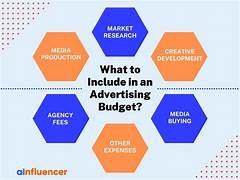
Many people mistake marketing for advertising or sales, but it’s much bigger than that. Marketing covers:

  • Research – Understanding your audience, competitors, and market trends.

  • Branding – Creating a strong, memorable identity.

  • Promotion – Using ads, social media, and PR to spread awareness.

  • Distribution – Ensuring your product or service reaches customers effectively.

  • Customer experience – Keeping customers happy so they return and refer others.

In essence, marketing is the bridge between what you offer and the people who need it. If you can master this bridge, money often follows.

2. The Relationship Between Marketing and Wealth

Here’s the reality:
Great marketing doesn’t automatically make you rich, but without marketing, your chances of becoming rich are drastically lower.

Think about two companies:

  • Company A: Creates an amazing product but doesn’t invest in marketing.

  • Company B: Has a decent product but markets it brilliantly.

In most cases, Company B will make more money, because more people will know about and buy their product.

The reason is simple: visibility equals opportunity. The more people you reach, the higher your chances of making sales — and sales are the direct path to revenue and wealth.

3. Can Marketing Alone Make You Rich?

Not exactly. Marketing is a multiplier of value, not a creator of value on its own.

Here’s the formula:

Great product/service × Great marketing = High profits
Poor product/service × Great marketing = Short-term profits, long-term failure
Great product/service × Poor marketing = Slow growth or missed opportunities

So yes, marketing can make you rich, but only when paired with a valuable offering.

4. The Skills That Turn Marketing Into Money

If your goal is wealth through marketing, you’ll need a blend of creativity, strategy, and persistence. Here are the most valuable skills:

4.1. Copywriting

Words sell. Copywriting is the art of writing persuasive messages that make people take action.

4.2. Storytelling

People connect with stories more than facts. A compelling brand story can turn casual buyers into loyal fans.

4.3. Digital Marketing

SEO, social media, content marketing, and paid ads are crucial in the modern world.

4.4. Data Analysis

Marketing decisions backed by data are far more effective than guesses.

4.5. Branding

A strong brand builds trust, loyalty, and pricing power.

When you combine these skills, you don’t just market a product — you create a system that can generate wealth over time.

5. The Different Paths to Wealth Through Marketing

You don’t have to be a CEO to get rich from marketing. There are multiple ways:

5.1. Building Your Own Business

Entrepreneurs who understand marketing can scale their companies quickly.

Example: Jeff Bezos built Amazon not just on logistics, but on brilliant marketing strategies that built trust and convenience.

5.2. Becoming a Marketing Expert for Others

Marketing consultants, digital marketers, and ad specialists can earn high incomes by helping businesses grow.

5.3. Affiliate Marketing

Promoting other people’s products online and earning commissions can be a profitable route — if you build trust with your audience.

5.4. Influencer Marketing

Content creators who grow a personal brand can monetize through sponsorships, product sales, and collaborations.

5.5. Real Estate Marketing

Agents who master local marketing often dominate their markets and earn significant commissions.

6. Real-World Examples of Marketing Creating Wealth

Example 1: Nike

Nike wasn’t the first sports shoe company, but it dominated the market through storytelling (“Just Do It”), athlete endorsements, and emotional branding.

Example 2: Apple

Apple’s marketing focuses on simplicity, elegance, and lifestyle — not just technology. This allowed them to charge premium prices and build one of the most valuable companies in the world.

Example 3: Small Business Growth

A local bakery that invests in Instagram marketing and community events can grow revenue 10x in a few years, compared to staying hidden.

7. The Myths About Marketing and Wealth

Myth 1: Marketing is just running ads.

Reality: Ads are only one part of marketing. Strategy, content, and customer experience matter just as much.

Myth 2: Marketing works instantly.

Reality: It takes time to build trust and brand awareness.

Myth 3: Good products sell themselves.

Reality: Even the best products need visibility and positioning.

8. How to Use Marketing to Build Long-Term Wealth

If you want marketing to truly make you rich, you need a plan. Here’s a roadmap:

Step 1: Understand Your Market

Know who your customers are, what they need, and where they spend their time.

Step 2: Build a Brand

Create a name, look, and message that people remember.

Step 3: Create Valuable Content

Educate, entertain, and inspire your audience.

Step 4: Leverage Multiple Channels

Don’t rely on just one platform. Use a mix of social media, SEO, email marketing, and offline events.

Step 5: Measure and Optimize

Track results and keep improving your campaigns.

Step 6: Focus on Customer Relationships

Repeat customers are more profitable than new ones. Build loyalty.

9. The Role of Mindset in Marketing Wealth

Marketing success isn’t just about tactics — it’s about mindset.

  • Think Long-Term: Sustainable wealth comes from consistent marketing, not one viral post.

  • Be Adaptable: Marketing trends change quickly.

  • Invest in Yourself: The better you get at marketing, the more valuable you become.

  • Focus on Value: The goal is not just to sell, but to solve problems for people.

10. Final Thoughts: So, Can Marketing Make You Rich?

The answer is yes — if you use it strategically.
Marketing is a wealth amplifier. It takes what you have and puts it in front of the right people, in the right way, at the right time.
Whether you’re selling your own products, building a personal brand, or helping others grow, marketing can open the door to financial freedom.

But remember:
Marketing alone won’t save a bad product. It won’t make you rich overnight. And it requires ongoing learning, testing, and adapting.

If you treat marketing as an investment, focus on delivering value, and commit to mastering the craft, it can absolutely be the path to building lasting wealth.

WHY DIGITAL MARKETING IS IMPORTAND


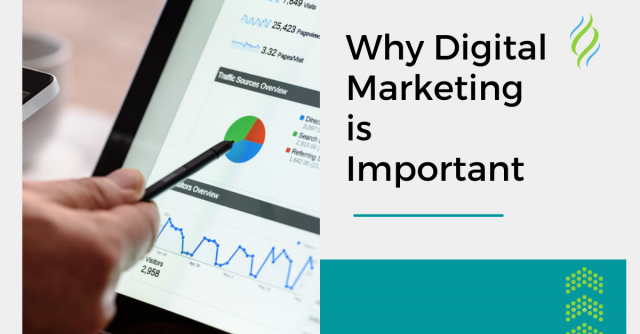
Why Digital Marketing Is Important: A Complete Guide for Businesses in the Modern Era

In today’s fast-paced and technology-driven world, businesses no longer thrive solely through traditional marketing methods like print ads, TV commercials, or billboards. The world has gone digital — and so has your target audience. Whether you are a small startup, a growing enterprise, or a well-established brand, digital marketing is now essential to remain competitive, connect with customers, and grow your business.

This blog explores in depth why digital marketing is important for businesses in 2025 and beyond. We will cover what digital marketing actually is, its benefits, and how it can transform the way you connect with your audience.

1. Understanding Digital Marketing

Digital marketing refers to the promotion of products or services using online channels such as websites, search engines, social media platforms, email, and mobile apps. It is not limited to just running ads on Facebook or posting Instagram reels — it includes a variety of techniques such as:

  • Search Engine Optimization (SEO) – Optimizing your website to rank higher on search engines.

  • Content Marketing – Creating and distributing valuable content to attract and engage an audience.

  • Social Media Marketing (SMM) – Using platforms like Facebook, Instagram, LinkedIn, and X (Twitter) to connect with potential customers.

  • Email Marketing – Sending targeted messages to your subscribers.

  • Pay-Per-Click (PPC) Advertising – Running paid campaigns to drive traffic and conversions.

  • Influencer Marketing – Collaborating with influencers to reach their followers.

Unlike traditional marketing, which often casts a wide net hoping to attract customers, digital marketing allows precise targeting, tracking, and optimization.

Continue reading